Think of your shape houuse and we will do the magic !
Whether you’re transforming a bedroom, living space, or any other room, thoughtful planning is essential.

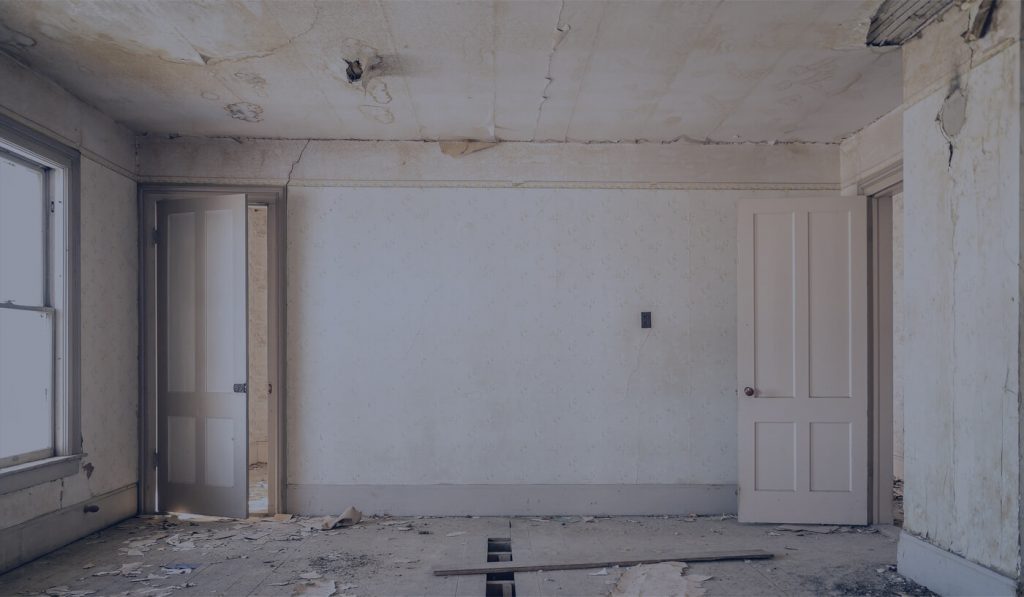

Here’s a step-by-step guide:
- Gather Inspiration:
- Start by collecting ideas and inspiration. Browse home magazines, Pinterest, or design websites. Consider color schemes, furniture styles, and layout options.
- Assess the Space:
- Measure the room and note any architectural features (windows, doors, etc.).
- Identify existing problems (e.g., poor lighting, lack of storage) to address during the remodel.
- Set Goals:
- Define your objectives. Are you creating a cozy reading nook, a home office, or a multifunctional space?
- Prioritize your needs and wants.
- Layout Planning:
- Sketch out different room layouts. Consider traffic flow, furniture placement, and focal points.
- Explore variations: symmetrical, asymmetrical, or open-concept layouts.
- Function Zones:
- Divide the room into functional zones (e.g., seating area, work corner, storage).
- Use furniture, rugs, or room dividers to delineate these zones.
- Lighting Design:
- Plan for ambient, task, and accent lighting.
- Install ceiling fixtures, wall sconces, and floor lamps strategically.
- Color Scheme:
- Choose a cohesive color palette. Consider wall colors, furniture, and accessories.
- Lighter colors make a room feel more spacious, while darker tones add coziness.
- Materials and Finishes:
- Decide on flooring (hardwood, carpet, tile) and wall finishes (paint, wallpaper, paneling).
- Select materials for furniture, curtains, and decorative elements.
- Furniture Selection:
- Measure doorways and hallways to ensure furniture fits through.
- Invest in versatile pieces that serve multiple purposes.
- Storage Solutions:
- Optimize storage with built-in shelves, cabinets, and under-bed drawers.
- Consider vertical storage to maximize space.
- Window Treatments:
- Choose curtains, blinds, or shades based on privacy needs and natural light.
- Layer treatments for flexibility (e.g., sheer curtains with blackout panels).
- Accessories and Styling:
- Add personality with rugs, artwork, cushions, and plants.
- Arrange accessories thoughtfully to enhance the room’s vibe.
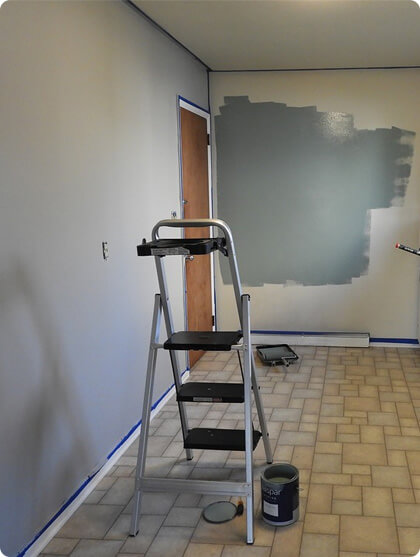

Remember, each room is unique, so adapt these steps to your specific space and preferences. Happy remodeling!